
In short
Platelet-rich plasma is one of the most researched regenerative options for knee osteoarthritis. Here is an honest look at who tends to benefit, who may not, and what to expect.
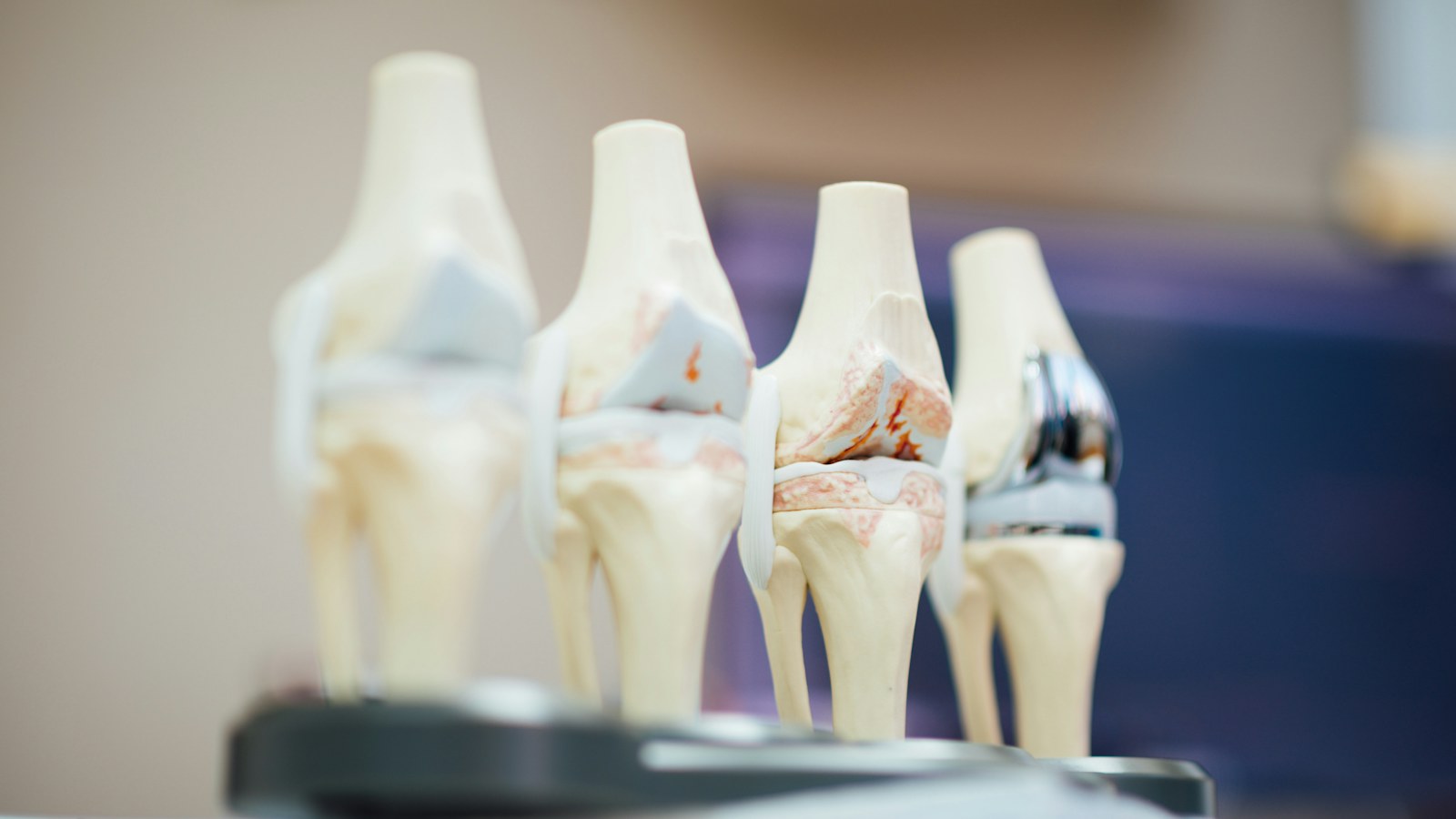
Knee osteoarthritis (OA) is one of the most common reasons people lose mobility as they age. Cartilage thins, the joint becomes inflamed, and everyday activities — stairs, walking, sitting on the floor — become painful. Alongside exercise, weight management and physiotherapy, platelet-rich plasma (PRP) has become one of the most studied regenerative options.
What is PRP?
PRP is prepared from a small sample of your own blood. It is spun to concentrate the platelets, which carry growth factors and signalling proteins, and then injected into the knee joint under sterile conditions — often with ultrasound guidance.
What does the evidence say?
Multiple randomised trials and meta-analyses suggest that PRP can reduce pain and improve function in many people with mild-to-moderate knee OA, with effects that often last longer than steroid or hyaluronic-acid injections. Results vary between studies because preparation methods, platelet doses and patient groups differ. PRP is not shown to regrow lost cartilage, and it is not a substitute for strengthening exercise.
Who tends to benefit most
- People with early to moderate OA (Kellgren–Lawrence grades 1–3)
- Those whose pain limits activity but whose joint alignment is reasonably preserved
- People willing to combine injections with a structured strengthening and weight-management plan
Who may not benefit
- Advanced "bone-on-bone" OA with marked deformity — joint replacement may be the better discussion
- Knee pain from other causes (mechanical locking, infection, inflammatory arthritis) that needs its own treatment
- Anyone with certain blood disorders, active infection or cancer, or on medicines that affect platelets — these need individual review
What to expect
A typical course is one to three injections a few weeks apart. Mild soreness for a day or two is common. Improvement, when it happens, usually builds over several weeks. A good plan measures your starting point — pain, function, X-ray grade — and reviews progress honestly.
Our knee osteoarthritis page explains how our orthopaedic team assesses each knee before recommending anything. International guests can begin with a video consultation.
This article is for general education and is not medical advice. Treatments are offered only after individual assessment by a registered medical practitioner, may not be suitable for everyone, and results vary. See our medical disclaimer.
Last reviewed: 25 November 2026