
In short
NAD+ is central to cellular energy and repair, and it declines with age. What precursors and IV NAD+ can and cannot do — and how to use them safely.
NAD+ has become one of the most popular molecules in longevity medicine. It is genuinely central to how our cells produce energy — but what can therapies actually deliver? Here is what the science says.
What is NAD+?
Nicotinamide adenine dinucleotide (NAD+) is a coenzyme found in every cell. It is essential for converting food into cellular energy in the mitochondria, and it supports enzymes involved in DNA repair and cellular stress responses, including the sirtuins.
NAD+ and ageing
Laboratory and animal research shows that NAD+ levels tend to decline with age, and that restoring NAD+ can improve markers of metabolic and mitochondrial health in these models. This has made NAD+ one of the most studied targets in ageing biology.
Ways to support NAD+
- Precursors: oral nicotinamide riboside (NR) and nicotinamide mononucleotide (NMN) can raise blood NAD+ levels in human studies; evidence for meaningful clinical outcomes is still developing.
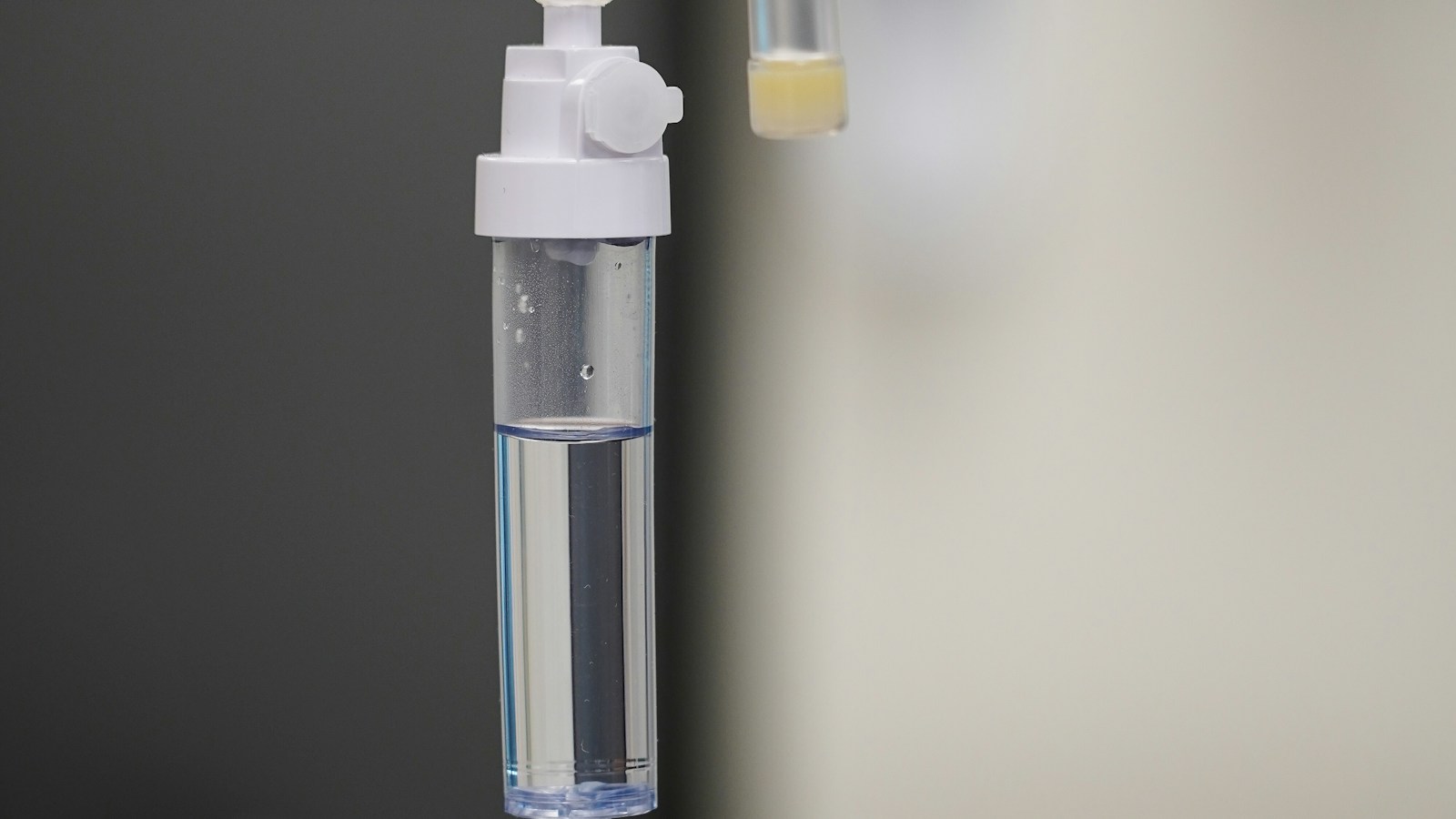
- IV NAD+: intravenous infusions are widely used in wellness and longevity clinics. They raise levels quickly, but high-quality clinical trials are limited, and infusions must be given slowly with monitoring because they can cause discomfort, flushing or changes in blood pressure.
- Lifestyle: exercise, healthy sleep, time-restricted eating and avoiding excess alcohol all support the body’s own NAD+ metabolism.
Our approach
At StemGenn, NAD+ infusions are considered only where clinically indicated, after assessment, and are medically dosed with blood-pressure monitoring by our clinical team. We are clear that NAD+ therapy is a supportive, emerging approach — not a cure for ageing — and we measure energy, recovery and metabolic markers to see whether it is helping you.
Who might consider it?
People recovering from intense periods of stress or travel, those with low energy after a full assessment, and participants in programmes such as CEO Cellular Week, where NAD+ forms part of a broader recovery protocol.
This article is for general education and is not medical advice. Treatments are offered only after individual assessment by a registered medical practitioner, may not be suitable for everyone, and results vary. See our medical disclaimer.
Last reviewed: 25 November 2026